
Local SEO Tips to Get Your Business Found in Leeds (or wherever you’re based)
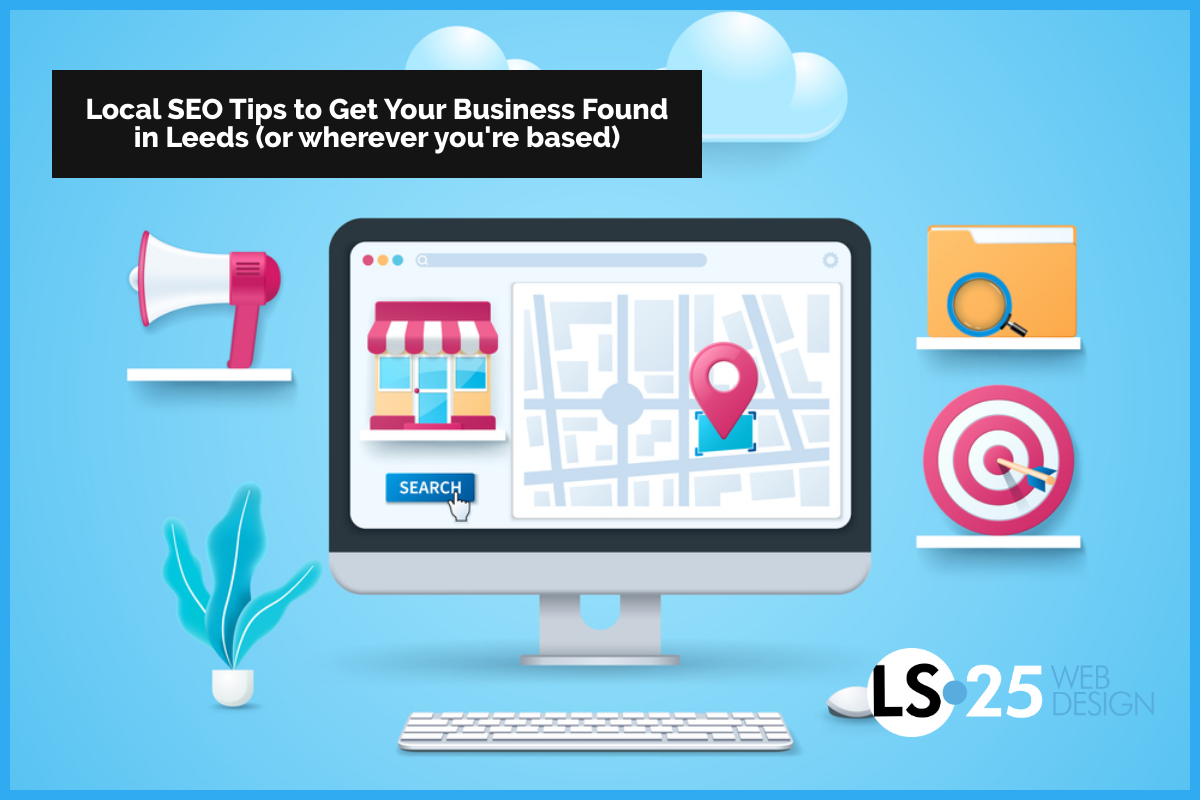
In an increasingly competitive digital landscape, ensuring your business is visible to local customers is more important than ever. If you’re a business owner in Leeds, optimising for local SEO can significantly boost your visibility in search results and help you connect with potential customers right on your doorstep.
Here are some essential local SEO tips, with a focus on your Google Business Profile, citations, and local keywords.
1. Optimise Your Google Business Profile
Your Google Business Profile (GBP) – formerly known as Google My Business – is arguably the most important factor for local SEO. When someone searches for businesses like yours in Leeds, your profile can appear in the local pack, Google Maps, and even on the right-hand panel of desktop search results.
Here’s how to optimise it:
-
Claim and verify your profile if you haven’t already.
-
Ensure all your details are accurate and consistent, including your business name, address, phone number (NAP), and opening hours.
-
Choose the most relevant primary and secondary categories for your business.
-
Add high-quality photos that showcase your premises, products, or team.
-
Regularly post updates, offers, or events to engage with local searchers.
-
Encourage happy customers to leave Google reviews, and be sure to respond to them – positive or negative.
2. Build and Manage Local Citations
Citations are mentions of your business name, address, and phone number on other websites – typically business directories and local listings. They help establish credibility and relevance in your local area, especially when the information is consistent.
Top citation tips for Leeds businesses:
-
Start with the major directories: Yell, Yelp, Thomson Local, Scoot, Bing Places, and Apple Maps.
-
List your business on local Leeds directories and niche-specific sites relevant to your industry.
-
Ensure your NAP details are identical across all listings – even small inconsistencies can harm your rankings.
-
Use tools like BrightLocal or Whitespark to audit and manage your citations efficiently.
-
Don’t forget local chambers of commerce or community websites that offer business listings.
3. Use Local Keywords Strategically
Including location-specific keywords in your website content tells search engines exactly where your business is based and what areas you serve. This helps your site appear in searches like “plumber in Leeds” or “best cafés in Headingley”.
How to integrate local keywords:
-
Add your location to key parts of your website, including:
-
Page titles and meta descriptions
-
Header tags (H1, H2, etc.)
-
URL slugs, where appropriate
-
Body content and image alt text
-
-
Create location-based landing pages if you serve multiple areas (e.g., “Digital Marketing Services in Leeds” vs. “Digital Marketing Services in Wakefield”).
-
Consider long-tail keywords that combine your service and local area, such as “web designer in Leeds city centre” or “web designer near Garforth”.
Final Thoughts
Local SEO isn’t just a buzzword – it’s a powerful strategy for getting found by customers who are already looking for what you offer in Leeds. By fine-tuning your Google Business Profile, managing consistent citations, and targeting local keywords, you can climb local search rankings and drive more footfall and enquiries.
Start small, track your progress, and remember: local SEO is an ongoing process, not a one-time fix.
If you’d like help with your local SEO in Leeds, feel free to reach out – we’re here to make sure your business doesn’t just exist online, but thrives.
Leave a Reply